
Comparing Flats vs. Townhomes: Which Floor Plan Fits You Best?
When considering a new living arrangement, it is essential to understand the fundamental differences between flats and townhomes. A flat, often referred to as an apartment in some regions, is typically a self-contained housing unit that occupies part of a building. Flats are usually single-level dwellings, which can be found in multi-story buildings.
They are designed for efficient living, often featuring compact layouts that maximize space. On the other hand, townhomes are multi-story residences that share one or more walls with adjacent units but have their own entrances. Townhomes often resemble single-family homes in terms of layout and design, providing a more spacious feel compared to flats.
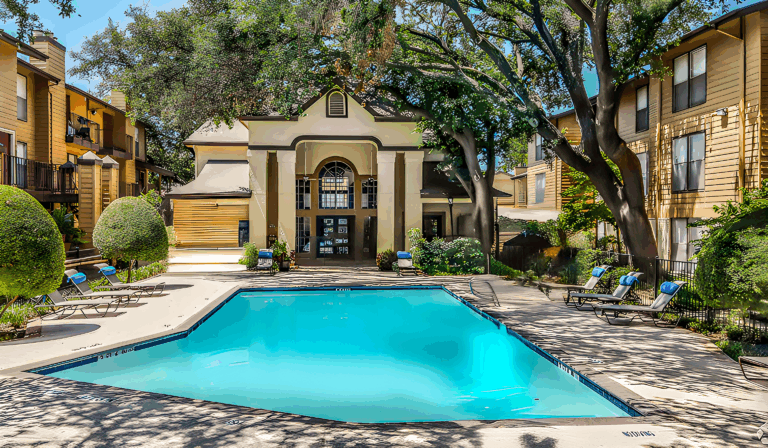
The distinction between these two types of housing extends beyond mere architectural differences. Flats are generally part of larger complexes that may offer shared amenities such as gyms, pools, and communal spaces. In contrast, townhomes often come with private outdoor areas, such as small yards or patios, allowing for a greater sense of ownership and personal space.
Understanding these differences is crucial for potential renters or buyers as they navigate their housing options, ensuring they choose a living arrangement that aligns with their lifestyle and preferences.

Key Takeaways
- Flats are typically single-level living spaces, while townhomes are multi-level living spaces with shared walls.
- Flats generally have a smaller footprint and are more compact, while townhomes offer more space and a layout that resembles a traditional house.
- Flats often come with amenities such as a pool, gym, and maintenance services, while townhomes may have private outdoor spaces and require more maintenance.
- Flats offer less privacy and a more communal living experience, while townhomes provide more privacy and a sense of community within the complex.
- Flats are generally more affordable and have lower maintenance costs, while townhomes offer more investment potential and the ability to customize and personalize the living space.
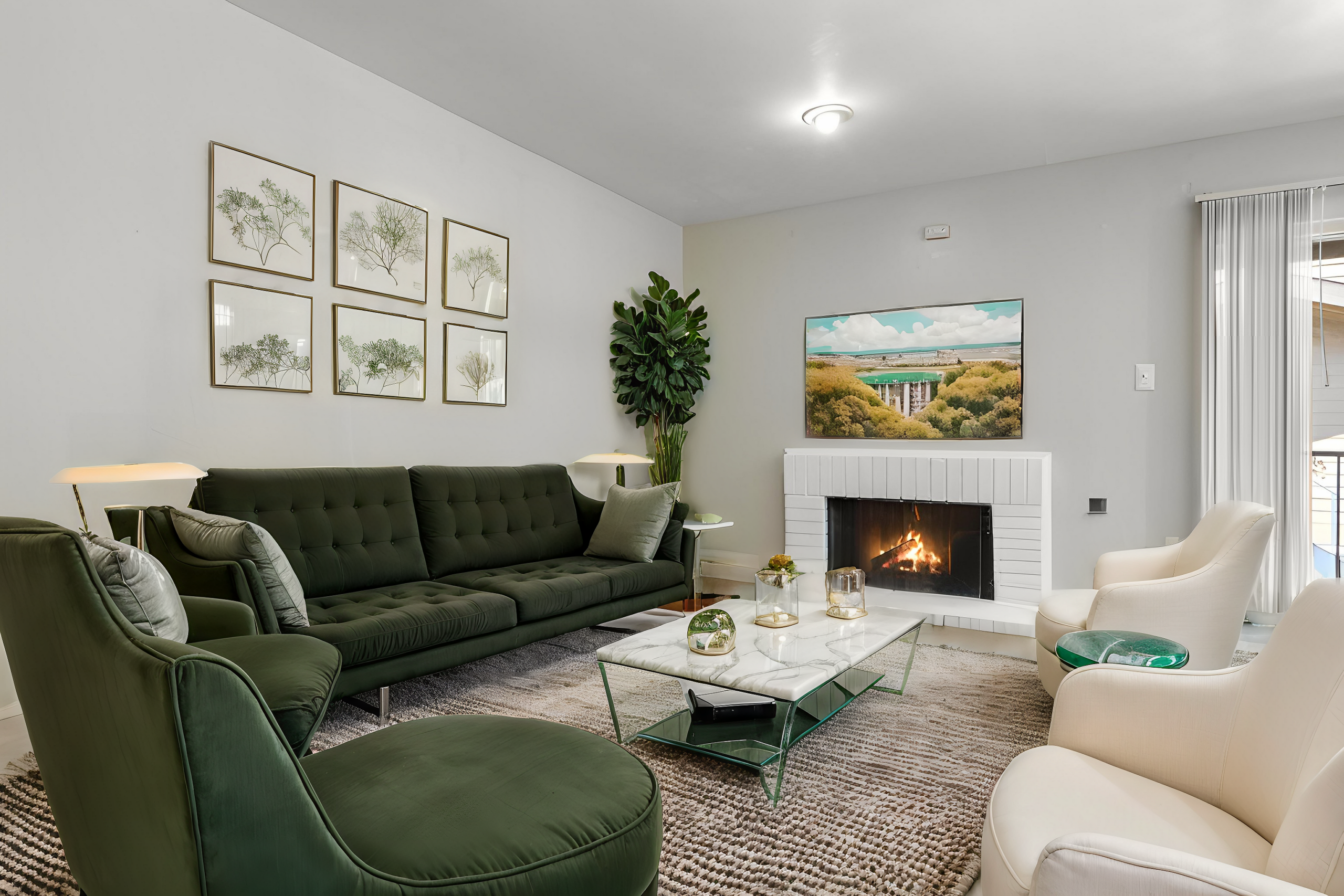
When it comes to space and layout, flats and townhomes offer distinct configurations that cater to different needs. Flats typically feature open floor plans that maximize the use of available square footage. This design is particularly appealing for individuals or couples who prioritize convenience and minimal upkeep.
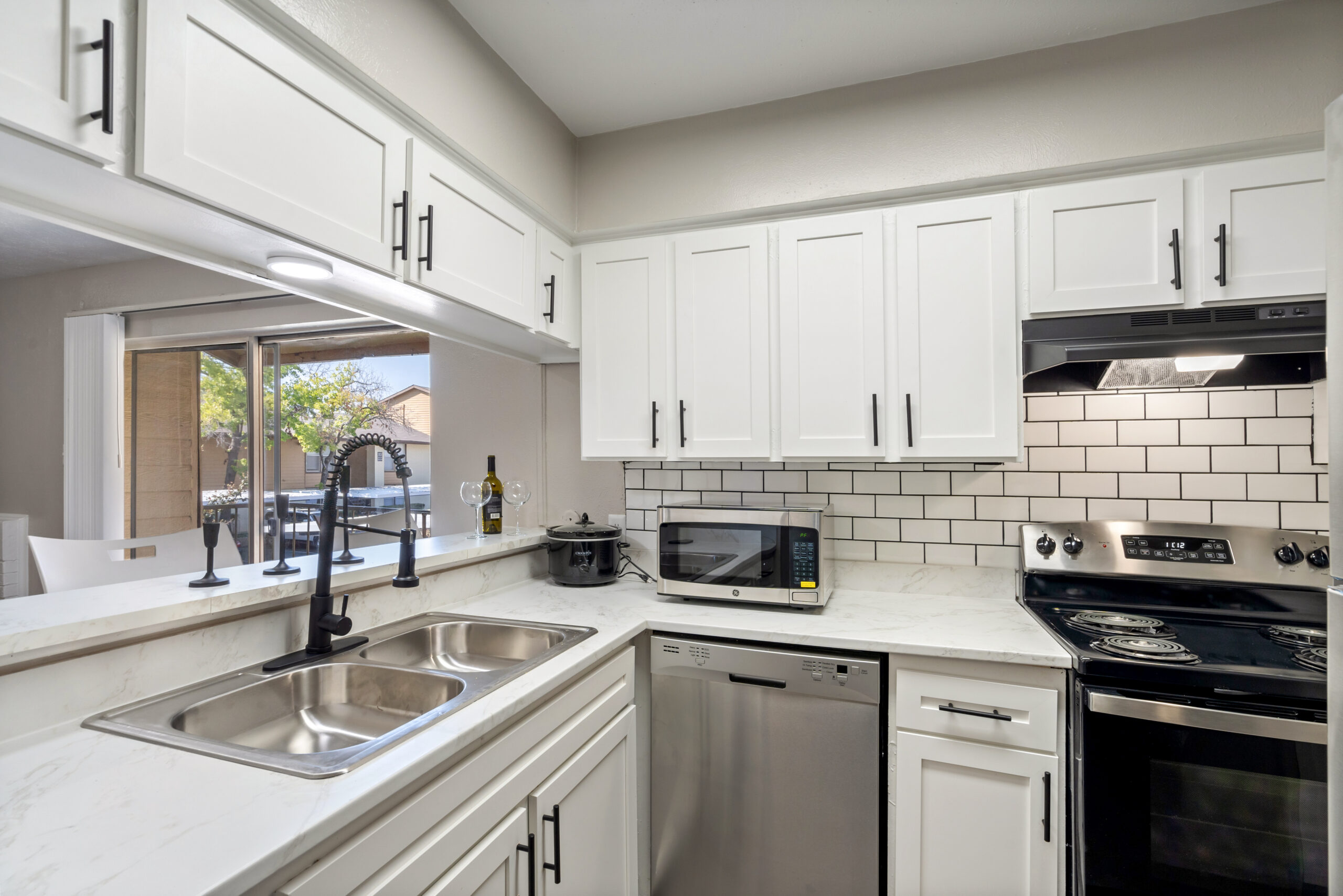
The compact nature of flats often means that living areas, kitchens, and bedrooms are all situated in close proximity, making it easier to maintain a cohesive living environment. However, this layout may not be ideal for families or those who require more room to spread out. In contrast, townhomes generally provide more square footage and multiple levels, which can be advantageous for larger households or those who enjoy entertaining guests.
The multi-story design allows for separate living spaces, such as dedicated dining areas and family rooms, which can enhance the overall functionality of the home. Additionally, many townhomes come with additional features like basements or attics that can be utilized for storage or recreational purposes. This increased space can significantly impact the quality of life for residents, making townhomes an attractive option for those seeking a more expansive living environment.
Amenities and Maintenance: What Each Option Offers
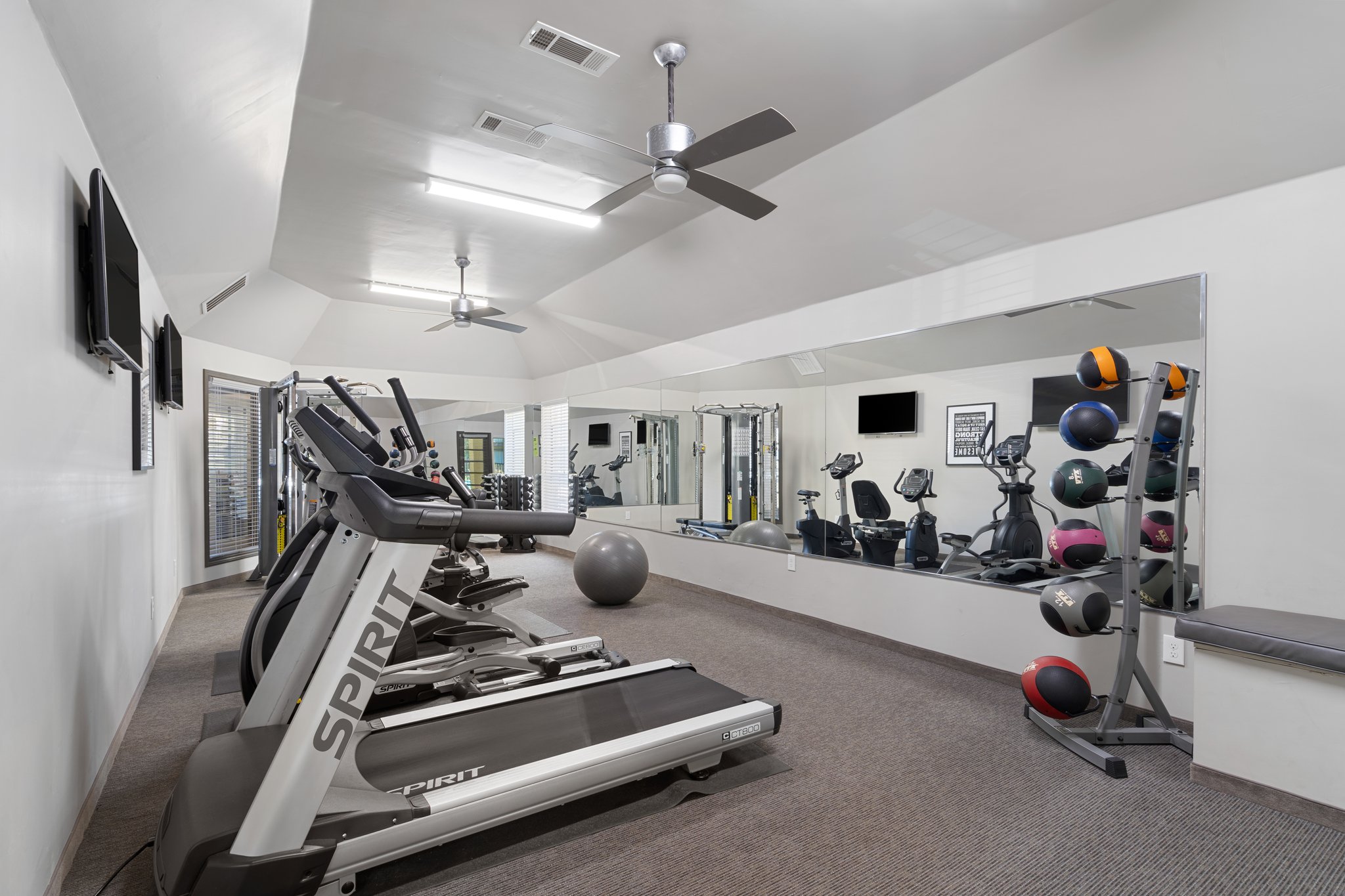
Amenities play a significant role in the appeal of both flats and townhomes. Flats often come with access to shared facilities that enhance the living experience. These may include fitness centers, swimming pools, rooftop terraces, and communal lounges.
Such amenities can foster a sense of community among residents while providing opportunities for social interaction and leisure activities. However, it is important to note that the maintenance of these shared spaces is typically managed by property management companies, which can relieve residents of some responsibilities but may also come with additional fees. On the other hand, townhomes usually offer fewer shared amenities but often come with private outdoor spaces such as gardens or patios.
This allows residents to enjoy their own slice of nature without the need for extensive upkeep associated with larger properties. Maintenance responsibilities in townhomes can vary; while homeowners may be responsible for their own yards and exteriors, many townhome communities have homeowners’ associations (HOAs) that manage certain aspects of maintenance. This balance between personal responsibility and community support can be appealing to those who desire both independence and assistance.


Privacy and Community: Considerations for Living Arrangements
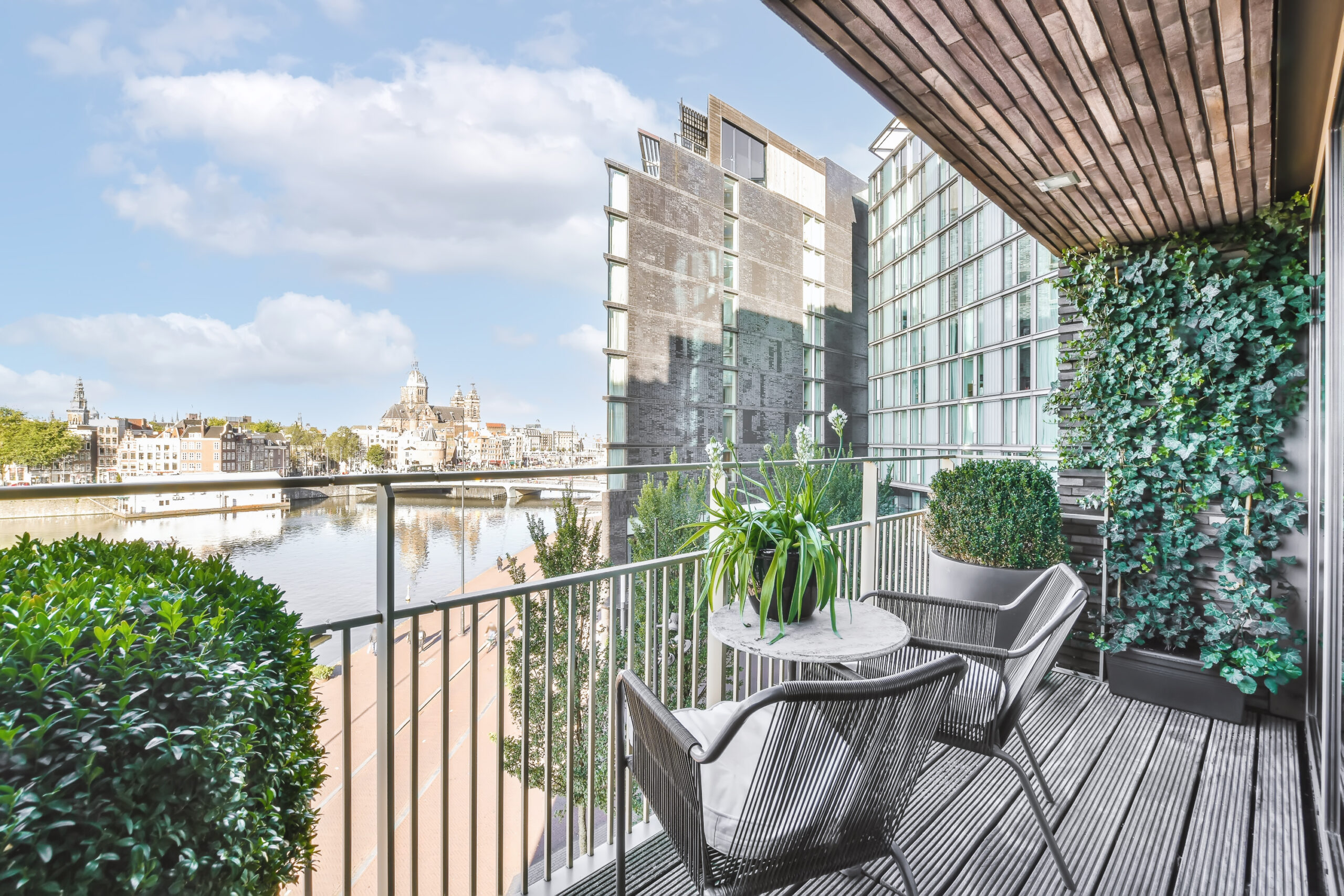
Privacy is a crucial factor when choosing between flats and townhomes. Flats, being part of larger buildings, often come with less privacy due to shared walls and common areas. Residents may find themselves in close proximity to neighbors, which can lead to noise disturbances or a lack of personal space.
However, this communal living arrangement can also foster a sense of belonging and community among residents who share similar living experiences. In contrast, townhomes typically offer more privacy due to their multi-level design and individual entrances. With fewer shared walls compared to flats, residents may enjoy a quieter living environment.
The presence of private outdoor spaces further enhances this sense of seclusion, allowing homeowners to retreat from the hustle and bustle of daily life. However, while townhomes provide more privacy, they may also require residents to engage more actively with their neighbors to build a sense of community. Ultimately, the choice between privacy and community will depend on individual preferences and lifestyle priorities.
Cost and Investment: Comparing the Financial Aspects
Financial considerations are paramount when deciding between flats and townhomes. Generally speaking, flats tend to have lower upfront costs compared to townhomes. Rent or mortgage payments for flats are often more affordable due to their smaller size and shared amenities.
This makes flats an attractive option for first-time renters or buyers who may be working within a limited budget. Additionally, the lower maintenance responsibilities associated with flats can lead to reduced ongoing costs. Conversely, while townhomes may come with higher initial costs, they often represent a more significant long-term investment.
Townhomes typically appreciate in value over time due to their larger size and desirable features such as private outdoor spaces. Homeowners may also benefit from tax deductions related to mortgage interest and property taxes. However, potential buyers should also consider the costs associated with homeowners’ associations (HOAs) if applicable, as these fees can add to the overall financial commitment.
Ultimately, understanding the financial implications of each option is essential for making an informed decision.
Customization and Personalization: Which Option Allows for More Flexibility
Customization is another important aspect to consider when comparing flats and townhomes. Flats often come with standardized layouts and finishes that limit opportunities for personalization. While some apartment complexes may allow minor modifications such as painting walls or adding decorative elements, significant renovations are typically not permitted due to lease agreements or building regulations.
This can be a drawback for individuals who wish to express their personal style within their living space. In contrast, townhomes generally offer greater flexibility for customization. Homeowners have the freedom to make substantial changes to their properties, from remodeling kitchens and bathrooms to landscaping outdoor areas.
This ability to personalize one’s home can create a deeper sense of ownership and satisfaction for residents who take pride in their living environment. However, it is essential for potential buyers to consider their willingness to invest time and resources into renovations when choosing between these two options.
Location and Lifestyle: Factors to Consider for Your Ideal Living Situation
Location plays a pivotal role in determining the ideal living situation for individuals or families. Flats are often situated in urban areas where access to public transportation, shopping centers, restaurants, and entertainment options is readily available. This convenience can be particularly appealing for young professionals or those who thrive in vibrant city environments.
The proximity to amenities can enhance daily life by reducing commute times and providing easy access to social activities. On the other hand, townhomes are frequently found in suburban neighborhoods that offer a quieter lifestyle with more green spaces and family-friendly amenities. These locations may provide access to parks, schools, and community centers that cater to families seeking a more tranquil living environment.
The choice between urban convenience and suburban serenity will largely depend on individual lifestyle preferences and priorities.
Making the Decision: Tips for Choosing Between Flats and Townhomes
Making the decision between flats and townhomes requires careful consideration of various factors that align with one’s lifestyle needs and financial situation. First and foremost, potential residents should assess their space requirements; individuals or couples may find flats sufficient, while families might prefer the additional room offered by townhomes. It is also essential to evaluate budget constraints; understanding both upfront costs and ongoing expenses will help narrow down options.
Additionally, prospective residents should consider their desired level of community engagement versus privacy needs. Those who thrive in social environments may gravitate towards flats with shared amenities, while individuals seeking solitude might prefer the privacy afforded by townhomes. Finally, location should not be overlooked; identifying preferred neighborhoods based on lifestyle preferences will ultimately guide the decision-making process.
In conclusion, both flats and townhomes present unique advantages and challenges that cater to different lifestyles and preferences. By carefully weighing factors such as space requirements, financial implications, privacy needs, customization options, location preferences, and community engagement levels, individuals can make informed decisions that lead them to their ideal living situation at Regal Court Apartments or elsewhere.
FAQs
What are the main differences between flats and townhomes?
Flats are typically single-level living spaces within a larger building, while townhomes are multi-level living spaces that are attached to other units.
What are the advantages of living in a flat?
Living in a flat often means less maintenance, access to shared amenities, and a potentially lower cost of living compared to a townhome.
What are the advantages of living in a townhome?
Townhomes offer more privacy, outdoor space, and often have more square footage compared to flats. They also provide a greater sense of ownership and independence.
How do the costs compare between flats and townhomes?
The cost of a flat is typically lower than that of a townhome, both in terms of purchase price and ongoing maintenance expenses. However, townhomes often offer more space and potential for appreciation in value.
Which option is better for investment purposes?
Townhomes are often considered a better investment due to their potential for appreciation in value and the ability to make modifications to the property. Flats may have a lower initial cost, but may not appreciate as much over time.
What are the lifestyle considerations when choosing between a flat and a townhome?
Living in a flat may offer a more communal and low-maintenance lifestyle, while living in a townhome provides more privacy and a greater sense of ownership. The choice depends on individual preferences and lifestyle needs.