
Modern Refresh: Inside the Thoughtfully Updated Kitchens of Regal Court
Dallas, Texas, a sprawling metropolis renowned for its robust economy, vibrant cultural scene, and distinctive urban landscape, presents a dynamic housing market. Within this market, renovated apartments represent a significant and increasingly popular segment for prospective renters. This article aims to provide a comprehensive overview of the phenomenon of renovated apartments in Dallas, examining their appeal, the various types of renovations, key considerations for renters, and the impact of these developments on the city’s housing ecosystem.
Dallas has long been a city of growth and transformation. From its origins as a trading post to its current status as a global business hub, its residential fabric has continuously adapted. Early apartment offerings often prioritized functionality over aesthetics, reflecting the utilitarian needs of a rapidly expanding population. However, as lifestyles evolved and consumer expectations heightened, the demand for more sophisticated and amenity-rich living spaces emerged. This shift has been a primary catalyst for the widespread renovation of older apartment complexes.
Historical Context of Dallas Apartment Development
The post-World War II era saw a boom in apartment construction across Dallas, fueled by returning soldiers and a burgeoning workforce. These complexes, often characterized by their garden-style layouts and moderate amenities, served their purpose well for several decades. By the late 20th and early 21st centuries, many of these properties began to show their age, both structurally and aesthetically. Their original designs and finishes no longer aligned with contemporary preferences, creating an opportunity for extensive refurbishment.
Driving Forces Behind Renovations
Several factors converge to make apartment renovations an attractive proposition for property owners and developers in Dallas. The cost of new construction, encompassing land acquisition, labor, and materials, can be prohibitive, especially in desirable urban core locations. Renovations, conversely, offer a pathway to modernize existing assets, extend their useful life, and elevate their market value at a potentially lower capital outlay. Furthermore, renovation allows properties to remain competitive within a saturated market, attracting a discerning tenant base seeking modern comforts within established neighborhoods.
Decoding “Renovated”: Types and Tiers of Upgrades
The term “renovated” is not monolithic; it encompasses a spectrum of upgrades, ranging from superficial cosmetic enhancements to comprehensive structural overhauls. Understanding this spectrum is crucial for you, the prospective renter, to accurately assess the value and quality of a “renovated” unit.
Cosmetic Renovations: The Surface Shine
Cosmetic renovations primarily focus on aesthetic improvements that enhance the visual appeal of an apartment without altering its fundamental layout or infrastructure. These are often the most common and least expensive types of renovations.
Paint and Flooring Upgrades
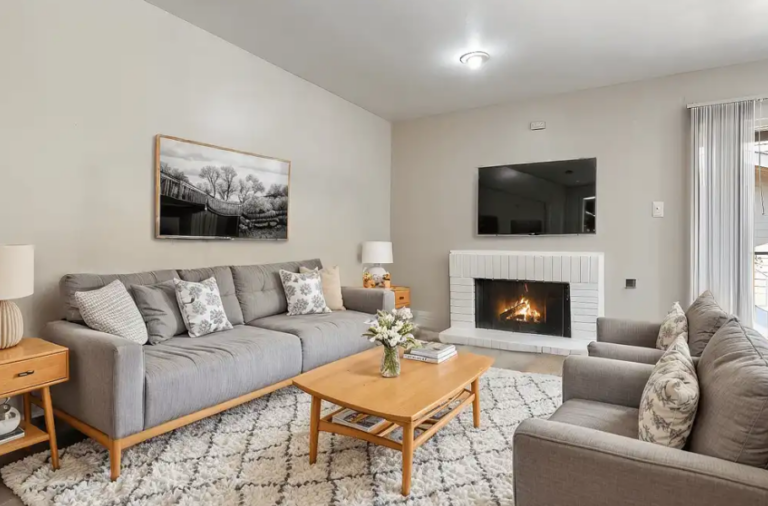
A fresh coat of paint in modern, neutral tones can dramatically brighten and update a living space. Similarly, replacing worn carpeting with contemporary options such as luxury vinyl plank (LVP), engineered hardwood, or even updated carpet can elevate the unit’s perceived value and cleanliness. These seemingly minor changes often make the most immediate visual impact.
Fixture and Appliance Refreshes
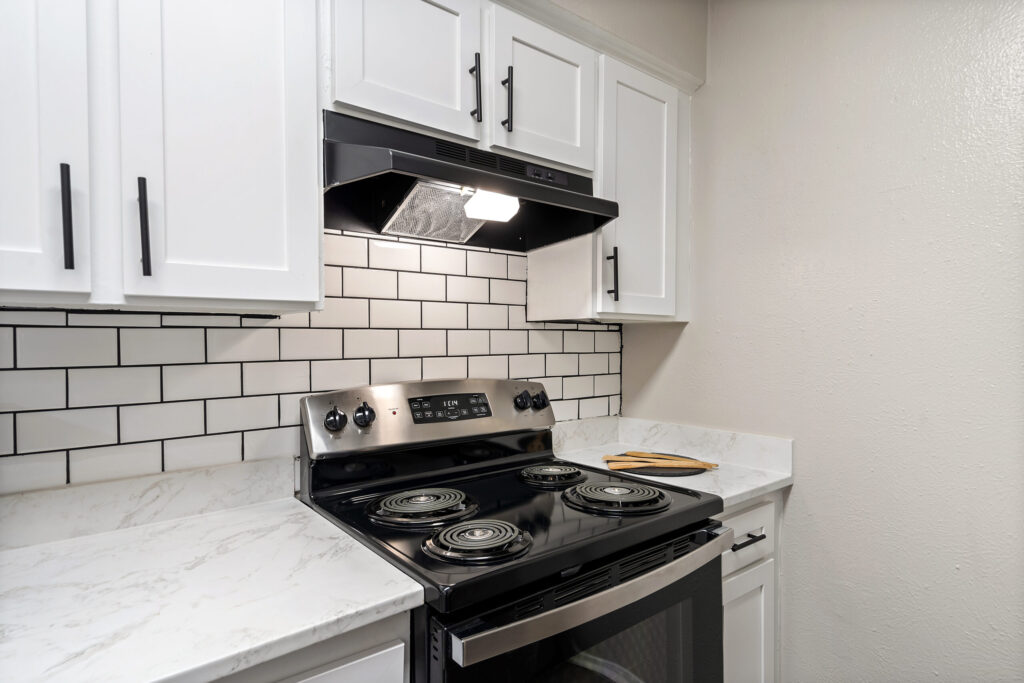
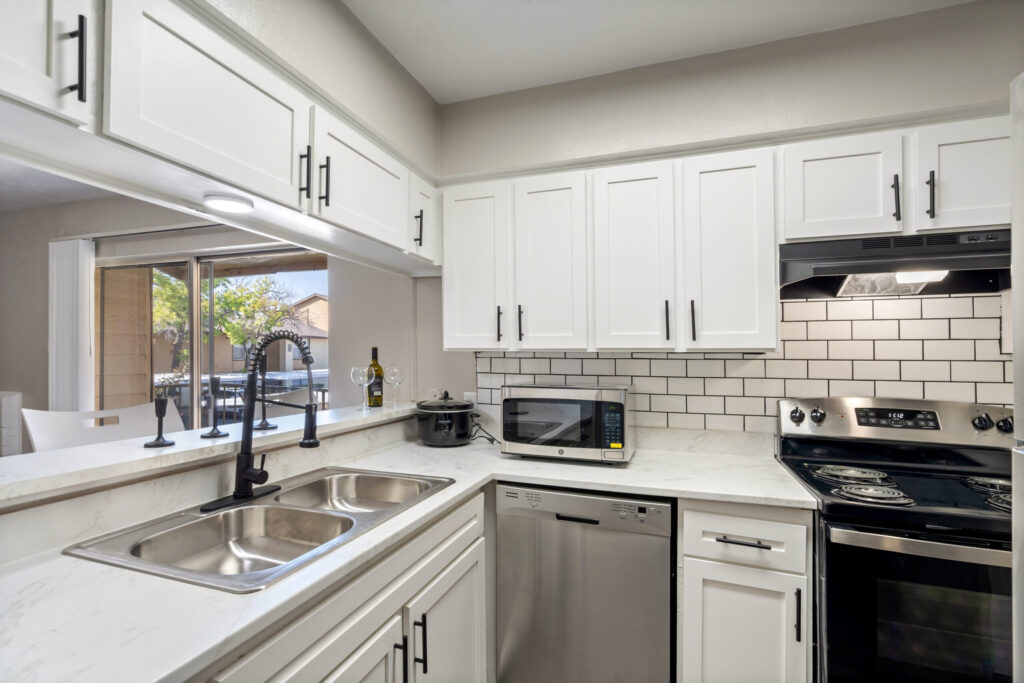
Updating light fixtures, plumbing fixtures (faucets, showerheads), and cabinet hardware can provide a noticeable facelift. While not always involving the replacement of major appliances, cosmetic renovations might include upgrading older, inefficient models to newer, energy-efficient stainless steel alternatives, which are a highly sought-after feature in today’s market.
Mid-Tier Renovations: Balancing Form and Function
Mid-tier renovations delve deeper than purely cosmetic changes, addressing both aesthetic appeal and enhanced functionality. These often involve more significant investments in key areas of the apartment.
Kitchen and Bathroom Updates
The kitchen and bathroom are often considered the heart of an apartment, and their condition significantly influences a renter’s decision. Mid-tier renovations in these areas might include replacing countertops with granite or quartz, installing new cabinetry or refacing existing ones, adding tile backsplashes, and upgrading vanities and toilets. The goal is to create a more modern, cohesive, and functional space.
Smart Home Integration and Technology Enhancements
In an increasingly connected world, the integration of smart home technology is becoming a powerful draw. Mid-tier renovations might include installing smart thermostats (e.g., Nest, Ecobee), smart locks, or even pre-wiring for high-speed internet and cable. These features offer convenience and energy efficiency, appealing to tech-savvy renters.
Full-Scale Renovations: The Reimagination
Full-scale renovations represent the most extensive and expensive category, often bordering on a complete gut rehabilitation of an apartment unit or even an entire building wing. These projects frequently involve significant structural modifications and a fundamental reimagining of the living space.
Layout Modifications and Open Concept Designs
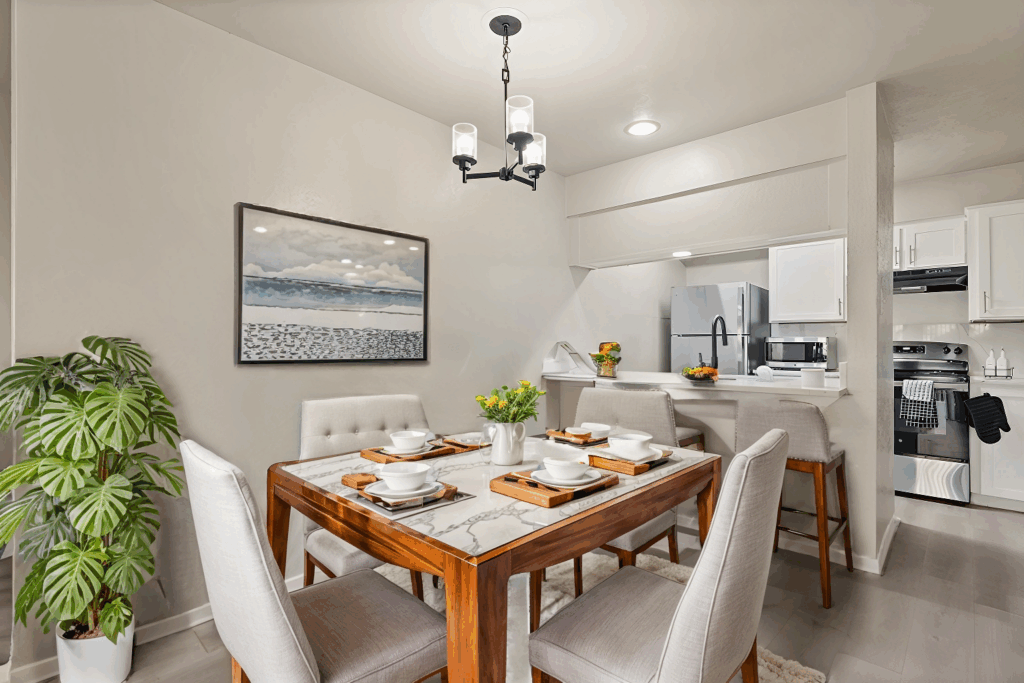
Older apartments often feature more compartmentalized layouts. Full-scale renovations might involve removing non-load-bearing walls to create open-concept living, dining, and kitchen areas. This design philosophy maximizes natural light and creates a sense of spaciousness, a highly desirable attribute in modern urban living.
Infrastructure Upgrades
Beyond aesthetics, full-scale renovations often address underlying infrastructural elements. This could include updating electrical systems to accommodate modern power demands, replacing antiquated plumbing, improving HVAC systems for better climate control and energy efficiency, and enhancing insulation for soundproofing and thermal regulation. Such upgrades provide not only modern comfort but also peace of mind regarding safety and utility costs.
The Appeal of Renovated Apartments for Dallas Renters

For many individuals and families relocating to or living in Dallas, renovated apartments offer a compelling proposition, striking a balance between historical charm, modern convenience, and often, strategic location.
Bridging History with Modernity
Dallas possesses a rich architectural heritage, with numerous buildings from different eras gracing its skyline. Renovated apartments often reside within these historically significant structures, offering you the opportunity to live within a building that has a story. The renovation process acts as a bridge, preserving the architectural integrity of the exterior while transforming the interior into a contemporary living space, infused with modern amenities and finishes. This juxtaposition offers a unique living experience, a stark contrast to the often sterile aesthetics of newly constructed, ground-up developments. You get the gravitas of history combined with the convenience of cutting-edge design.
Enhanced Amenities and Features
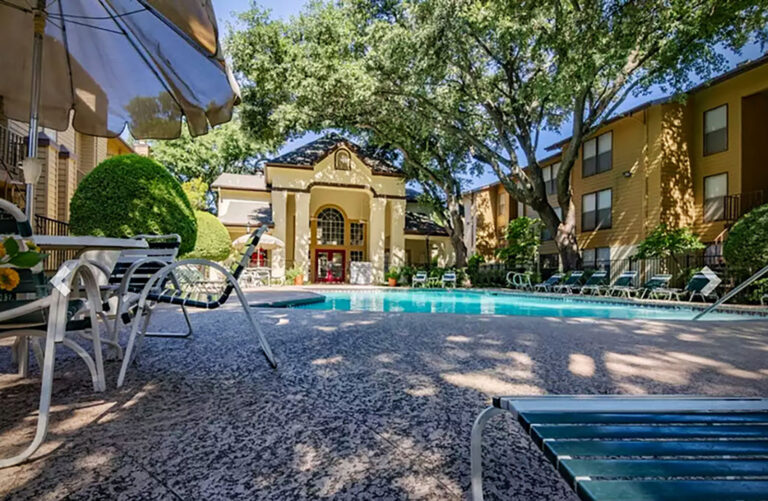
Renovated apartments are designed to meet the expectations of today’s discerning renter. This often translates into the inclusion of premium finishes such as stone countertops, stainless steel appliances, designer cabinetry, and upgraded flooring. Beyond the individual unit, many renovated complexes invest in improving communal amenities, which can include state-of-the-art fitness centers, upgraded swimming pools, co-working spaces, dog parks, and modernized common areas, all contributing to a more comfortable and enriched lifestyle.
Often Strategic Locations
Many older apartment complexes slated for renovation are situated in established neighborhoods or prime urban core locations that boast excellent walkability, proximity to public transportation, cultural attractions, dining establishments, and employment centers. These locations are often difficult or expensive to replicate with new construction due to land scarcity and zoning regulations. By choosing a renovated apartment, you gain access to these coveted locations, reducing commute times and expanding your access to city life without the premium price tag often associated with brand-new luxury builds in comparable areas. The location is the bedrock upon which the renovation stands.
Navigating the Renovated Apartment Market: Key Considerations

While the allure of renovated apartments is undeniable, a diligent approach to your apartment search is paramount. You, the prospective renter, should employ a critical eye and ask pertinent questions to ensure the “renovated” label truly aligns with your expectations and needs.
Understanding the Extent of Renovation
As discussed, “renovated” is a broad term. It is imperative to inquire about the specifics of the upgrades. When was the renovation completed? Was it a full-scale overhaul, or primarily cosmetic? Requesting a detailed list of completed improvements, including materials used and brands of appliances, can provide valuable insight. Be an architect of curiosity, peeling back the layers to understand the true depth of the transformation.
Inspecting for Quality and Workmanship
Even with new finishes, the quality of installation varies. During your apartment touring, pay close attention to the details. Are cabinet doors aligned? Are paint lines crisp? Is the flooring laid evenly? Check the functionality of all new appliances, fixtures, and electrical outlets. Minor flaws can be indicative of hurried or low-quality work, which could lead to future maintenance issues. Think of yourself as a quality control inspector, scrutinizing every corner.
Asking About Maintenance and Upgrades Schedule
Even a recently renovated apartment will require ongoing maintenance. Inquire about the property management’s philosophy regarding the upkeep of renovated units. Are there preventative maintenance schedules in place for new appliances and systems? What is the turnaround time for maintenance requests, especially for issues related to the newly installed features? A proactive maintenance approach is a strong indicator of a well-managed property.
Noise Considerations and Building Age
While interiors may be modernized, the building’s original construction often dictates factors like soundproofing. Older buildings, even after renovation, may have thinner walls or older windows that do not fully mitigate external noise. If noise is a significant concern for you, inquire about sound attenuation measures taken during the renovation or ask about the building’s typical noise levels from current residents. The old adage “you can’t teach an old dog new tricks” sometimes applies to the acoustic properties of older structures.
Rental Rates and Value Proposition
Renovated apartments typically command higher rents than their original counterparts due to the investment made in their upgrades. However, assess whether the increased rent genuinely reflects the value added by the renovations. Compare the features and amenities offered against other renovated and even newly constructed apartments in similar neighborhoods. Does the improved living experience justify the financial outlay? Consider the total cost of living, including utilities potentially impacted by new, energy-efficient appliances or systems.
The Impact on the Dallas Housing Market
The proliferation of renovated apartments in Dallas has a multifaceted impact on the broader housing ecosystem, influencing rental trends, neighborhood dynamics, and economic activity.
Upward Pressure on Rental Prices
One of the most immediate effects of renovations is the upward pressure they exert on rental prices. As properties are modernized and equipped with desirable features, their market value increases, leading to higher rents. This phenomenon contributes to the overall escalation of housing costs in desirable Dallas neighborhoods, a common trend in rapidly growing urban centers.
Revitalization of Older Neighborhoods
Renovations often serve as a catalyst for the revitalization of older, established neighborhoods. By breathing new life into aging apartment complexes, developers can attract new residents, stimulating local businesses, and fostering a renewed sense of community. This influx of residents and economic activity can lead to further investment in infrastructure and amenities within these areas, creating a virtuous cycle of improvement. An old building, like an old oak, can sprout new branches with the right care.
Increased Competition and Choice for Renters
While renovations can lead to higher prices, they also increase the inventory of modern, attractive living spaces available to renters. This creates a more competitive rental market, particularly in segments where new construction is limited. You, the renter, benefit from a wider array of options, allowing you to select a unit that closely aligns with your specific preferences for location, amenities, and aesthetic.
Economic Contribution
The renovation sector itself contributes significantly to the Dallas economy. Renovation projects create jobs in construction, interior design, manufacturing (for materials and fixtures), and property management. This economic activity reverberates through various ancillary industries, supporting local businesses and generating tax revenue for the city. It’s a domino effect of economic benefit.
Conclusion
Renovated apartments in Dallas, TX, represent a dynamic and significant segment of the city’s housing market. They offer a compelling blend of historical charm, modern amenities, and often, strategic locations that appeal to a diverse range of renters. For you, the prospective tenant, understanding the nuances of “renovated” is key to making an informed decision. By diligently researching the extent of renovations, scrutinizing quality, and considering the long-term value proposition, you can navigate this market effectively and secure a living space that truly meets your needs in this vibrant and ever-evolving Texas metropolis. The rejuvenated skin often hides a sturdy skeletal frame, ready for decades more of life.
FAQs
What are renovated apartments in Dallas, TX?
Renovated apartments in Dallas, TX are residential units that have been updated or remodeled to include modern features, improved layouts, and upgraded appliances. These renovations often enhance the aesthetic appeal and functionality of the living space.
What types of renovations are common in Dallas apartments?
Common renovations include updated kitchens with new countertops and appliances, modern bathrooms, hardwood or upgraded flooring, fresh paint, improved lighting fixtures, and energy-efficient windows and HVAC systems.
Are renovated apartments more expensive to rent in Dallas?
Renovated apartments typically have higher rental rates compared to non-renovated units due to the improved amenities and updated features. However, prices vary depending on location, size, and the extent of renovations.
Where are renovated apartments commonly located in Dallas?
Renovated apartments can be found throughout Dallas, especially in popular neighborhoods such as Uptown, Deep Ellum, Oak Lawn, and the Design District, where there is high demand for modern living spaces.
How can I find renovated apartments for rent in Dallas, TX?
You can find renovated apartments by searching online rental platforms, contacting local real estate agents, or visiting apartment communities directly. Many listings specify if the unit has been recently renovated or updated.