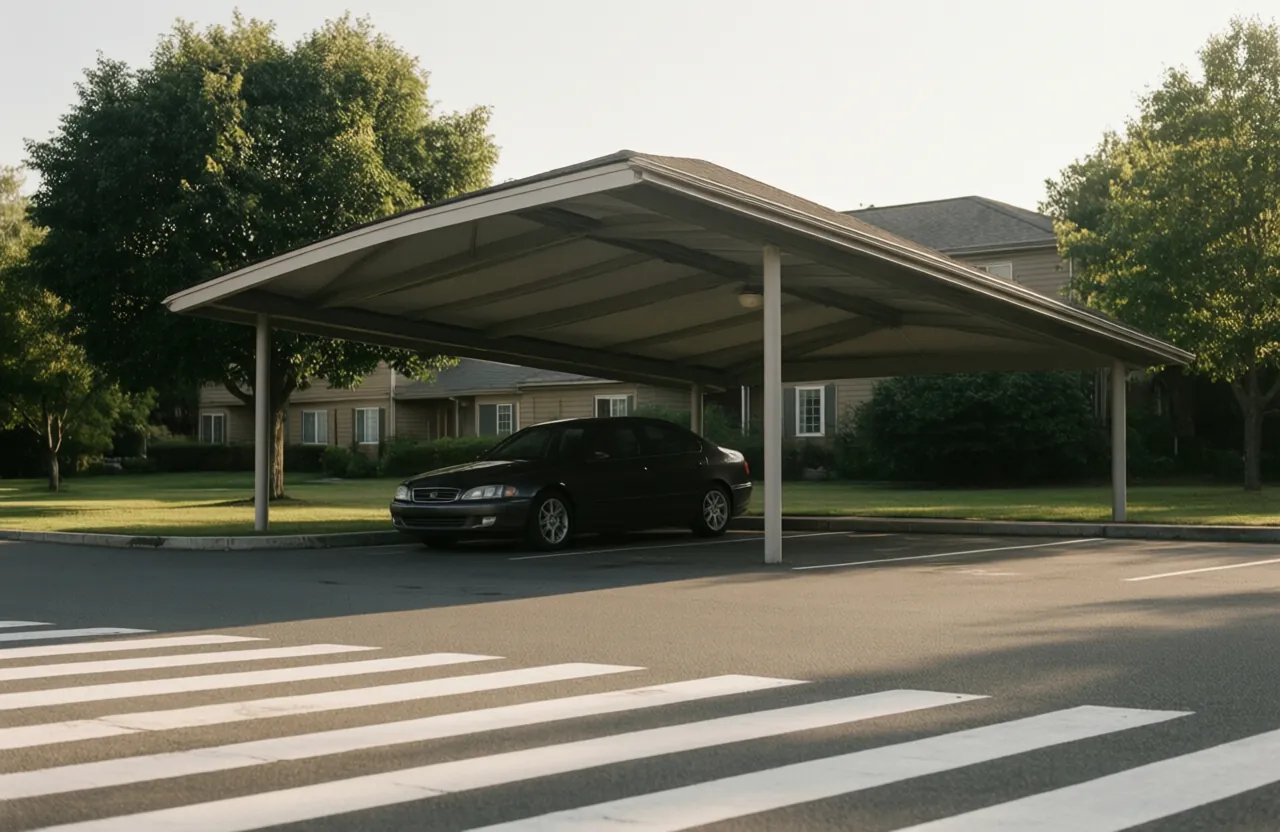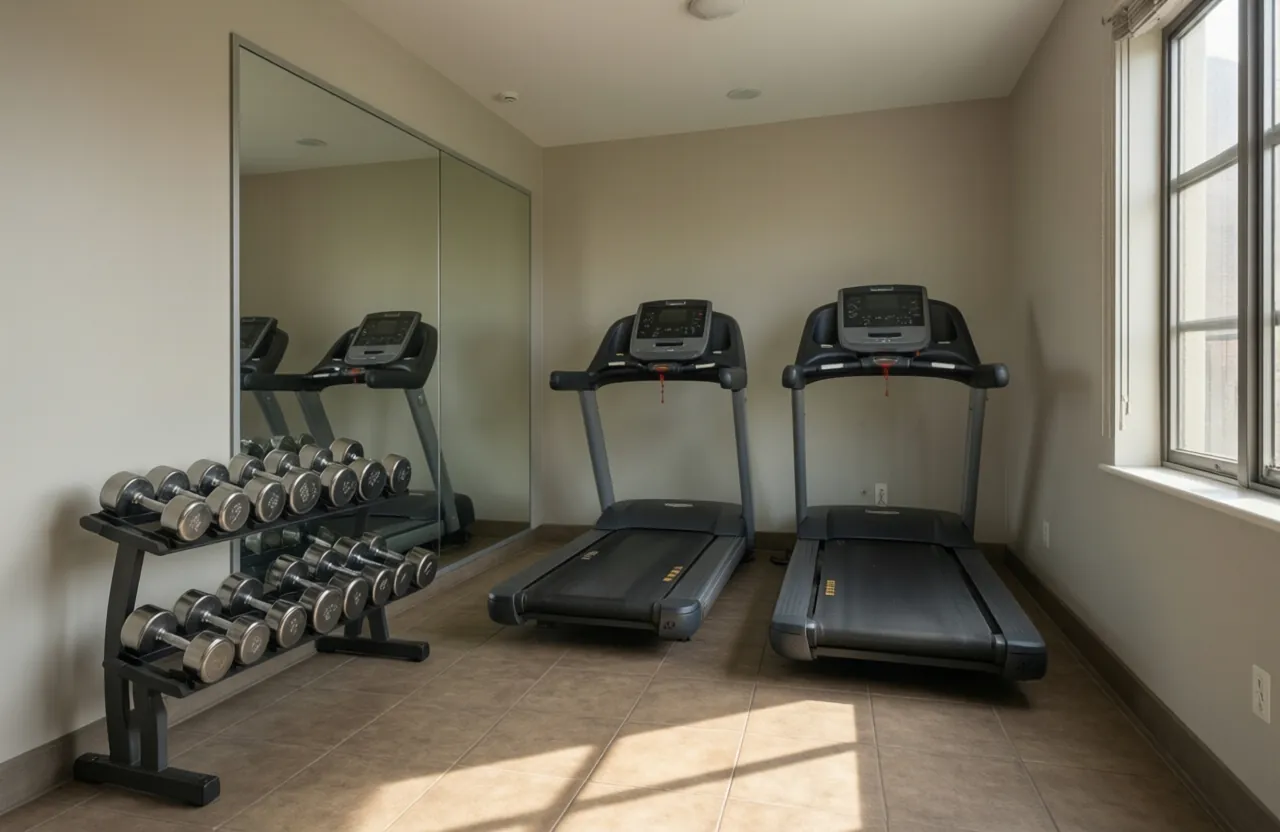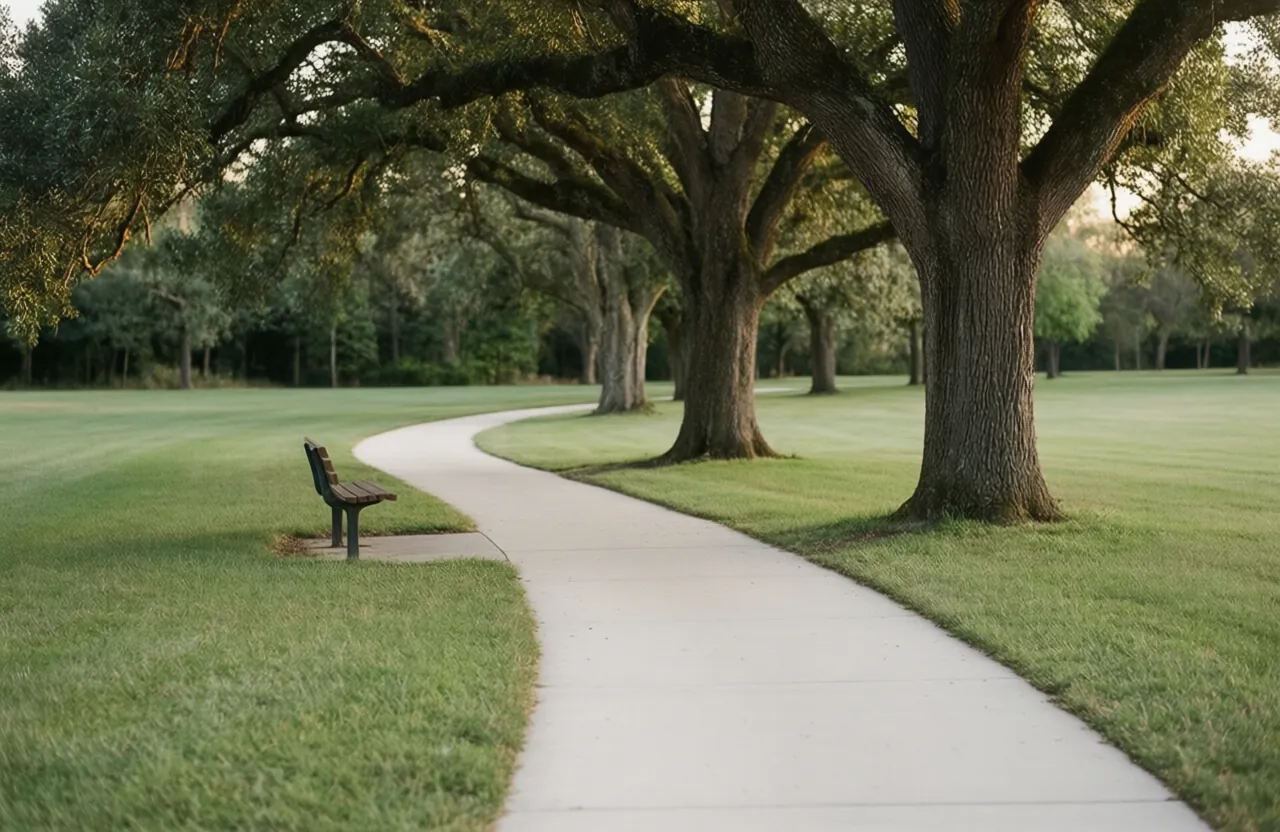
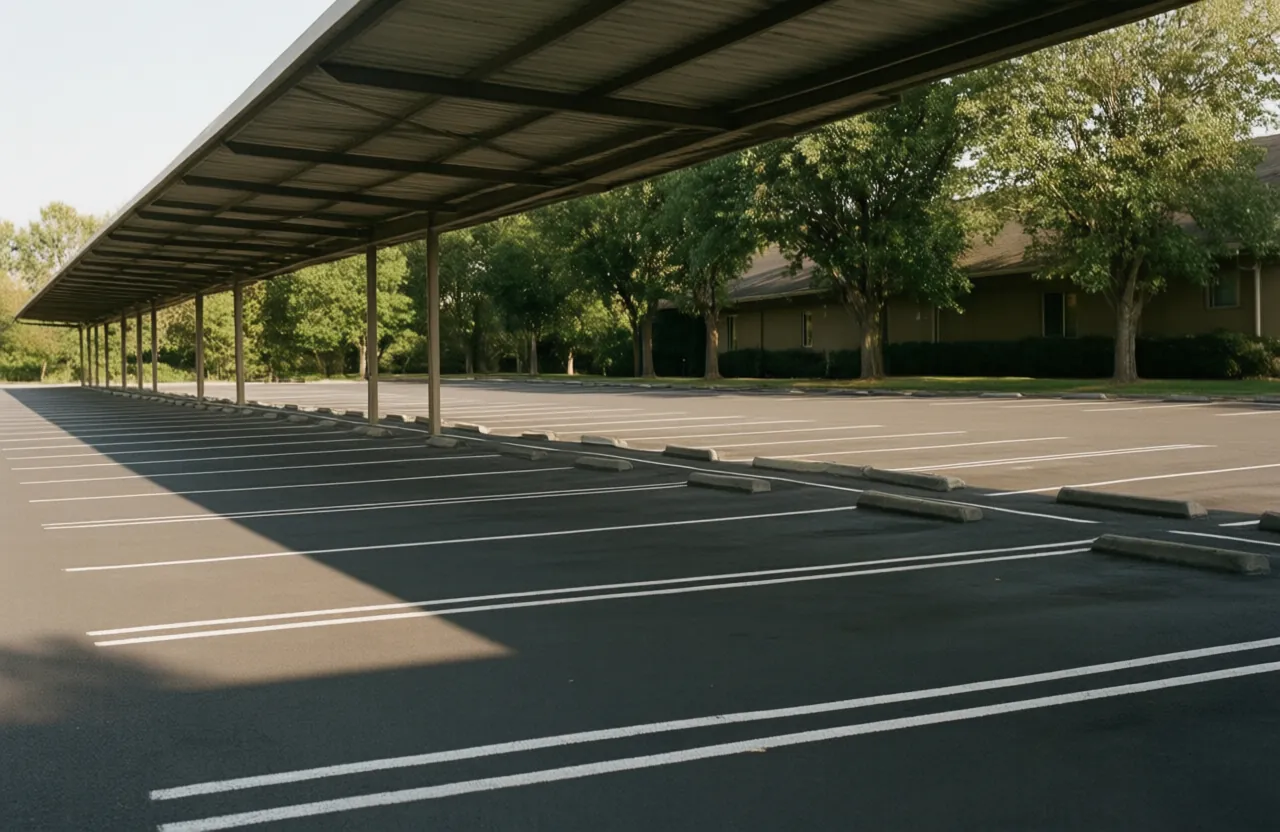
Covered parking can reduce direct sun and some exposure, but it does not protect a vehicle from every weather event, theft, damage, or debris. Regal Court has corroborated covered-parking options; current terms require leasing confirmation.
Inspect the available space and the route to the home before treating parking as part of your decision.
The short version
- Confirm whether the space is assigned and currently available.
- Check cost, clearance, and vehicle restrictions.
- Do not treat a canopy as a guarantee against damage.
Inspect the physical space
Check width, height, columns, drainage, pavement, and the turning path. If you have a tall or wide vehicle, ask for clearance information and verify it yourself.
Ask how assignment works
Covered spaces may be assigned, separately charged, waitlisted, or governed by another process. Confirm the space identifier, start date, and recurring terms in writing.
Read the current vehicle policy
Ask about registration, guests, motorcycles, trailers, commercial vehicles, repairs, storage, and towing. Property rules and local law control, not this general checklist.
Where to check it yourself
- Live availability and application
The current first-party source for available homes, pricing, application terms, and the leasing phone number.